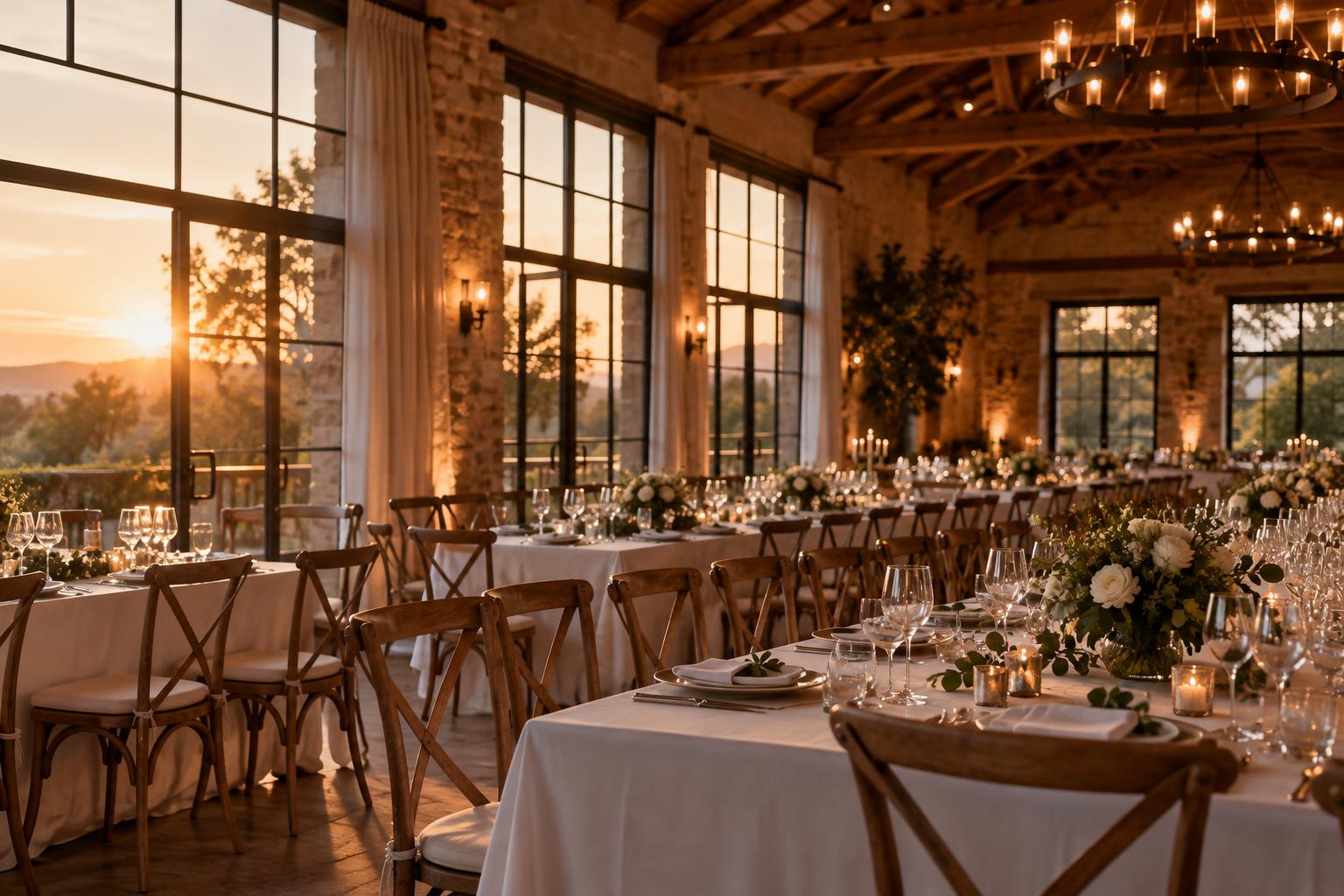
Picture two enquiries on the same Monday. The first is from a couple: a weekend, two nights, a room with a view. The second is from a woman organising a wedding for sixty people in June. She wants to know where the guests will sleep, where the dinner is, until what time music is allowed, whether there is somewhere to change, how the food works, how much the deposit is.
If both fill in the same form with fields for dates, number of guests and a message, one enquiry arrives well and the other comes out as two lines: “Wedding June, 60 people, price?”. Then you call, ask the same things you ask every time, and half an hour later you find out the venue is not suitable. Or that it is suitable, but the organiser has already moved on to the next venue.
The problem is not the form. The problem is that both types of guest are offered the same page.
Why a group guest reads the website differently
A couple chooses a room. A group organiser chooses whether the venue will hold up for a whole day, and often a whole week of preparation. The risk is bigger for them: if something goes wrong, they are the ones blamed. So they look for signs that you have done this before and know what happens.
They usually want to see the same things:
- how many people fit at most and in what layouts: seated, at tables or standing;
- how many of them can stay overnight with you and how many will need to stay elsewhere;
- what rooms there are, how many beds, and whether an extra bed can be added for a supplement;
- where the dinner is, and whether the food is yours or brought in from outside;
- until what time noise is allowed and what the rule is towards neighbours;
- how payment works, what the deposit is and what happens on cancellation.
These are not form fields but answers that are best placed on the page before the person has written a word.
What the page for groups and events should contain
You do not need a big section. A short page works, arranged in the order in which the organiser thinks.
First: which events you are suited to
Say it honestly. “Weddings of up to 50 people, corporate meetings for a full working day, family celebrations, excursion groups with an overnight stay.” If you are a guest house with six rooms, say so clearly, so that you do not get enquiries for a hundred guests. This honesty is a service to both sides: an unnecessary call costs time for both of you.
Then: photos of the event space itself
Not rooms, not panoramas, but the place where something will happen. The courtyard with tables set, the hall, a view of the tables from above, the entrance, the car park where guests get out. A caption with the number of seats. A photo from a real event helps more than a description, but only if you have the right to publish it and the people in it agree.
Accommodation and food
This is the most important part. Describe: how many rooms and how many sleeping places in total, whether there is a minimum stay for an event, how the food works (do you cook, is external catering used, is there a menu on advance request). If you have a ready menu for a group, show it or at least its structure. That way the organiser does not have to invent it from scratch.
Terms in one place
Deposit, confirmation deadline, cancellation, finishing time, noise rules, damage, cleaning after the event. Do not be shy about the terms. Organisers look for exactly these, and a page without them forces everyone to call you.
Price: a range, not a full quote
You cannot announce a single price for a wedding, because it depends on the date, the number of guests and the food. You can give a range: “courtyard hire from…” or “the group menu is from… per person”, plus a clear list of what changes the price. “It depends” is easier to accept when people can see what it depends on.
The form: second in line, but with different questions
When the page works, the form becomes simpler, not longer. It holds only the things without which you cannot start a conversation:
- type of event and desired date or period;
- approximate number of guests and how many of them will stay overnight;
- what matters most: accommodation, hall, food;
- phone number and a convenient time to call.
Four fields and a free-text field. The page asks more than the form does. This way an ordinary guest who wants a weekend does not meet the group form, and the organiser does not need an extra call just to clarify the basics.
How it looks in practice
An example scenario: a guest house with eight rooms and a courtyard. The owner notices that in summer, five or six times a month, she answers the same questions from people who want to hold a celebration. Each time, a minute or two goes on “how many people do you hold” and ten minutes on “how does the food work”. She prepares one page with six sections: which events it suits, the venue with photos, accommodation, food, terms, a price range. We do not know in advance how many enquiries will come, but we do know that the next organiser will start the conversation with the answers, not with the questions.
That is exactly the goal. The page does not replace the conversation about a wedding that wants a personal approach. It makes it shorter and better informed.
Where the website fits in
If your website is built with ISKA Website, it shows the rooms with photos and has services, offers, a gallery and an enquiry form. An enquiry is not a reservation and does not hold a room, and that is exactly what a group needs: the start of a conversation. Whether groups will have a separate page is a question about the offer, so ask when you submit your request.
How to keep the page alive
Groups are seasonal. Review the page twice a year: is the capacity correct, is the group menu up to date, do the terms match what you actually say on the phone. After each event, note down one question the organiser asked that is not on the page, and add it.
If you answer enquiries late in the evening or in a busy season, also prepare a short default reply: “We have received your enquiry and will contact you by the end of the next working day”. The organiser needs to know they have been heard, even if they have not received a price straight away.