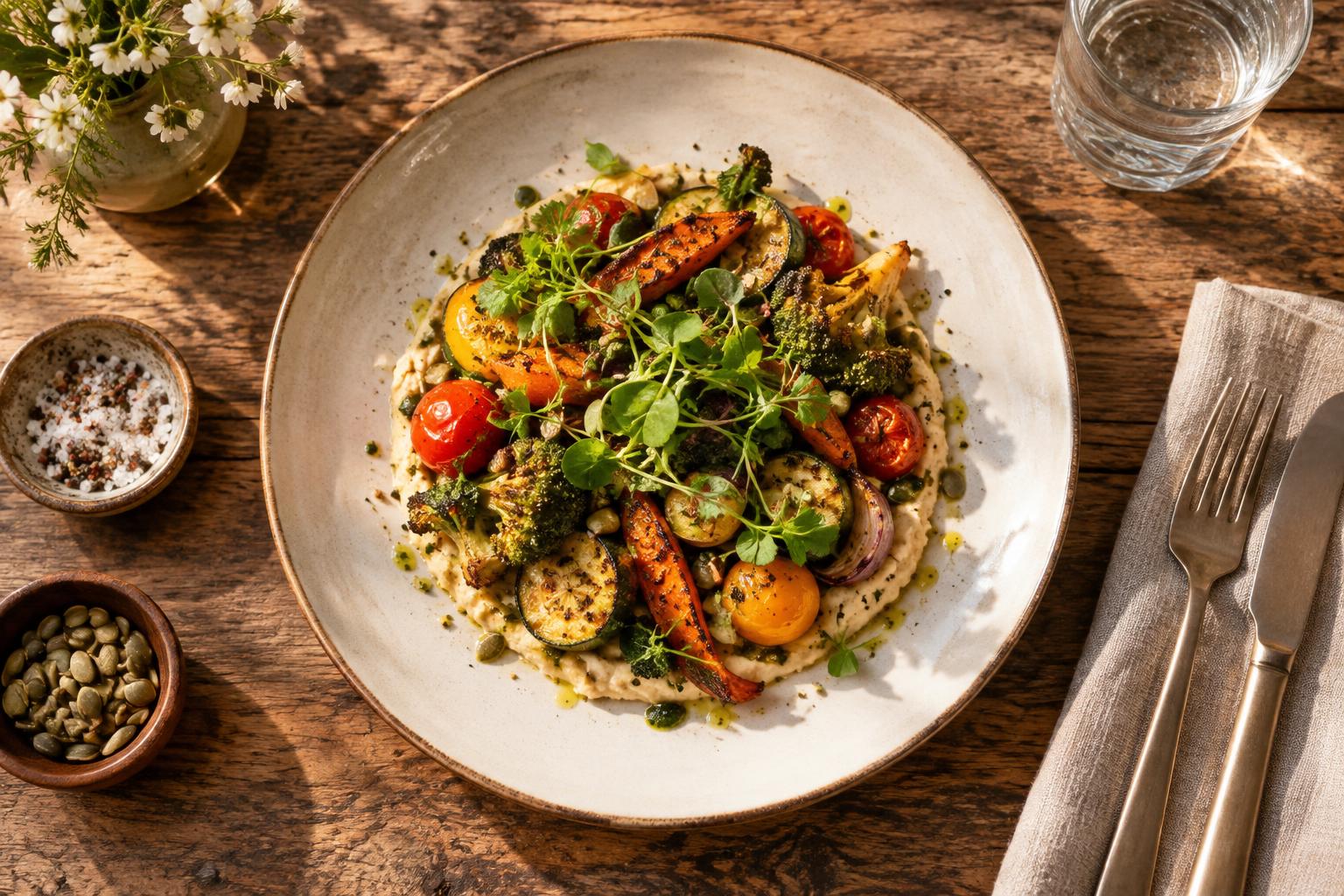
When a guest does not understand a dish on the menu, they do not leave. They raise a hand and ask. That is normal, but every such question costs the waiter time, and sometimes the guest’s confidence. The most unpleasant case is a different one: the guest does not ask, orders and takes their chances, and when the plate reaches the table, feels cheated. Here is the menu through the guest’s eyes: what exactly needs to be visible for the guest to decide faster and stay satisfied.
What the guest actually asks
If you write down the questions the waiters hear about the menu during one shift, the list is usually short and repetitive. Try it in practice. Give the team a sheet of paper and ask them to make notes.
- What is in it? Especially when the name is figurative or in a foreign language.
- How big is it? Is it enough for one person, or is it for sharing?
- Is it spicy, does it contain meat, can it be had without one of the ingredients?
- What does it come with? Is the side included, or is it ordered separately?
- How long is the wait? Especially for a roast, or for a dish that is prepared to order.
- Is there anything in it that the guest cannot eat? This is the most important question, and it is covered further down.
Each of these is information that the menu can give by itself. If you know the answers by heart but they are not written down, the menu does only half its job.
What makes a photo accurate
A beautiful photo and an accurate photo are not the same thing. The beautiful one attracts. The accurate one prepares the guest for what they will get. The good news is that the two do not contradict each other.
The real portion
The photo should show the portion as it leaves the kitchen: on the plate it is served on, with the side that actually comes with it. If the salad in the photo is on a large wooden board but arrives at the table in a bowl, the guest notices the difference before even tasting it.
An ordinary day, not the best one
Take the photo during a normal shift, with the cook who normally cooks, using the normal recipe. That way the photo shows the average dish, not a record-breaking one. If a portion has to be photographed three times to look good, the photo promises more than the kitchen delivers every day.
No extras that are not served
Fresh herbs, flowers, extra sauces, a plate of bread next to the dish: if they are not part of the order, do not put them in the photo. Otherwise the photo promises something that does not come with the order, and this is often done with no bad intent.
Light and angle
A phone and a window are enough. Take the photo from above or at a slight angle, in daylight, without a strong filter. A filter changes the colour of the food, and colour is part of the expectation.
What makes a description useful
The description is where the guest finds the answers to the questions on the list. So write it in this order: what it mainly is, how it is prepared, what it comes with.
Compare two versions of the same dish. The first: “Our house special, prepared with love and the best ingredients.” The second: “Grilled pork fillet, with mashed potato and mushroom sauce. The portion is about 300 grams.” The second is shorter to read, less promotional and much more useful. The guest knows what they will get and can decide whether they like it.
A few rules that work:
- Start with the noun: what the dish is, not how it feels.
- Name the main ingredients and the way it is prepared.
- Write what comes with the dish and what is ordered separately.
- If the portion is for sharing, say so.
- Avoid words that cannot be checked: the tastiest, unique, exceptional.
- For spiciness, sharp flavours or unusual ingredients, add a short note.
Allergens are a separate topic
Allergen information is not decoration, and it is not written on a hunch. If the menu shows it, it must be accurate and updated when the recipe changes. If you are not sure what is required of you, check what applies to your venue in the official sources and with the competent authority. Do not publish assumptions: information marked inaccurately gives the guest a false sense of security. If you are not sure about a dish, check its ingredients with the kitchen and the supplier before you write it down.
Where the deception comes from
When a guest feels cheated, it is rarely deliberate. More often the cause is one of these:
- The photo is from two years ago, and the portion or the recipe has changed since.
- The supplier has changed a product, but the description has stayed the same.
- The price has been changed at the till, but not in the menu.
- The dish has been taken off in the kitchen but is still on the menu.
The solution is organisational, not technical. Once a month, go through the menu with the cook and the manager for ten minutes. For each dish, ask: is it the same as in the photo, is it the same as in the description, do we still make it. That is the whole procedure.
Which dishes to start with
Do not try to photograph and write about everything at once. Start with the dishes that guests ask about most often and the ones that are ordered most. These have the biggest effect. Then add a few each week. If the menu is large, items without a photo but with a good description are better than photos that are out of date.
When the menu is digital
In a digital menu, change is easier: a photo is replaced without reprinting, and a description is corrected in minutes. That is why the menu can be kept closer to reality. For example, ISKA Menu allows photos on the Plus plan, and the menu is edited from the portal and from the phone. Changes remain drafts until you publish them, so you can prepare a new description and release it when you are ready. The link stays the same. Prices and terms are on the pricing page.
A weekly plan for the owner
- This week: record the questions guests ask the waiter over three shifts.
- Next week: choose the five dishes with the most questions and write descriptions for them using the rules above.
- After that: photograph those five on a normal shift, in the real portion.
- Every month: a ten-minute review of the menu with the cook.
A menu that answers the guest’s questions before they have even asked them does not just sell more easily. It saves the team’s time and leaves the guest feeling that they were met with honesty.